What Does a Typical Irrigation System Cost in Altamonte Springs?
A sprinkler system is priced zone by zone and yard by yard, so it helps to know which parts of your property drive the number.
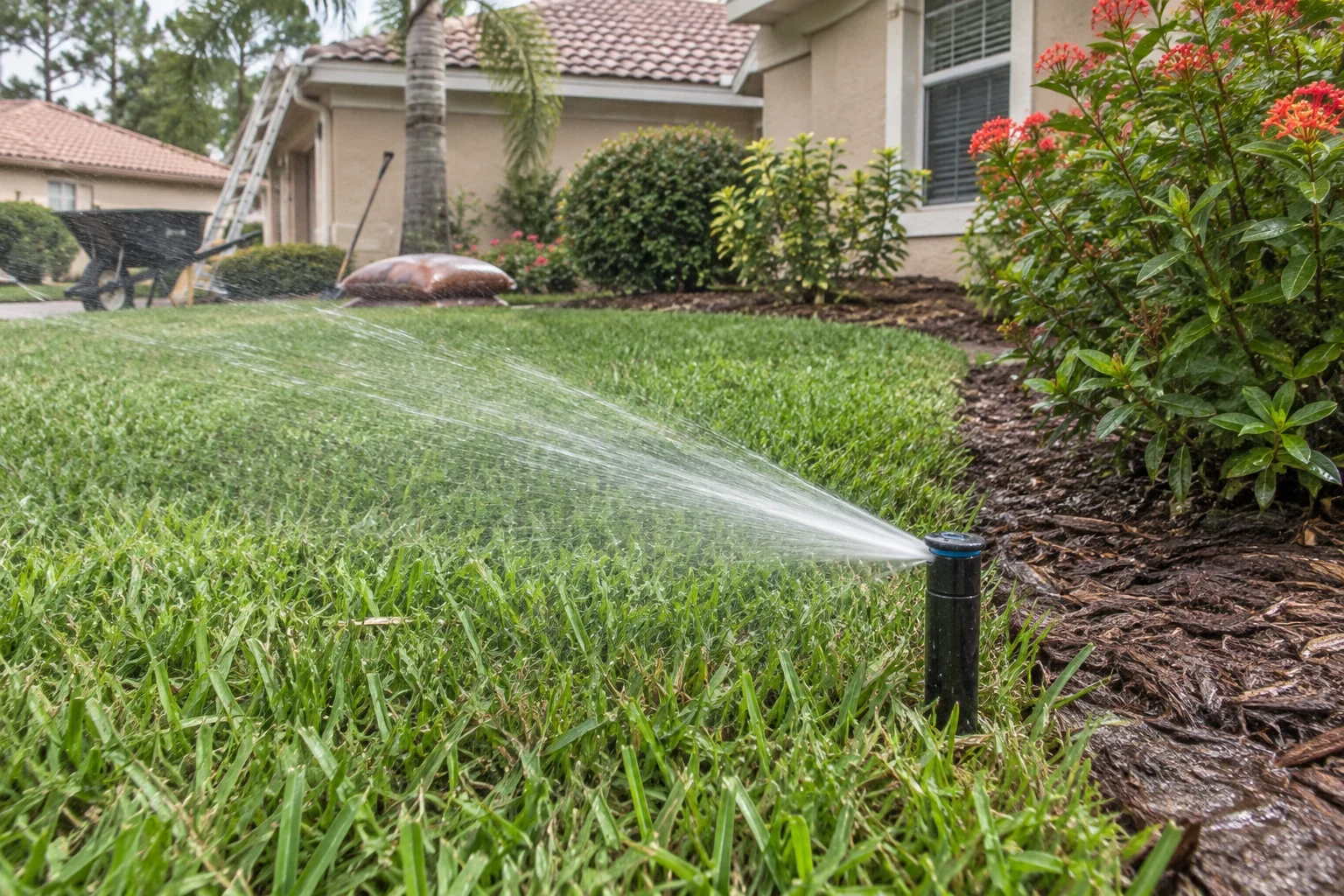
What does a typical irrigation system cost?
There is no single typical price, because an irrigation system is built around your yard. The cost depends mostly on how many zones you need, your water source, the mix of rotors, sprays and drip, the controller and backflow device, and how much existing landscaping the trenching has to work around. A free on-site estimate gives you a real figure: (407) 269-5989.
What sets the price of a new irrigation system?
Most of the cost comes from the layout. Your yard is divided into zones, each with its own valve, so turf and planting beds get the water they need at the right rate. A small, open lot may need only a few zones. A corner lot with deep beds, a side yard and a strip by the street needs more valves, more pipe and more labor.
After the zone count, it comes down to the parts and the ground they go into. Two systems with the same number of zones can still land at different prices once you account for the details below.
- Zone count and the total square footage of turf and beds
- Head types: gear-driven rotors for open lawn, fixed sprays for tight areas, drip lines for shrubs and beds
- Controller choice, from a basic timer to a weather-aware smart controller
- Backflow prevention and any permit the job requires
- Sleeves bored under driveways, walks or patios so pipe can cross without cutting concrete
- How much mature planting, root mass or hardscape the crew has to work around
Does your water source change the cost?
Yes, and often more than people expect. A system tied to city potable water needs a properly installed backflow preventer to protect the drinking supply. If your street has reclaimed water service, the connection and fittings differ, and the system has to be clearly separated from household plumbing.
A private well adds a pump, and the pump has to match the flow each zone needs. When pressure or volume is limited, we design smaller zones so every head throws a full arc. That means more valves, but it also means even coverage instead of dry rings around the edges of the lawn.
Why the parts you choose affect cost and lifespan
Sandy soil drains fast, so water placement matters more than water volume. Matched-precipitation nozzles and drip in the beds put moisture where roots are, which cuts runoff and saves you from overwatering one corner to keep another green. Heavier-wall pipe and quality valves cost a little more up front and hold up better under mower traffic and shifting sand.
Automatic systems need a rain sensor or similar shutoff, and watering rules limit which days and hours you can run. A smart controller adjusts to rainfall and those schedules on its own. It is an added line on the estimate, but for many homeowners it pays back in a lower water bill and a lawn that is not soaked after an afternoon storm.
Should you repair your current system or replace it?
Repair is usually the lower cost when the main line and valves are sound. Broken heads, a clogged nozzle or a single cracked lateral are straightforward fixes, and a well-adjusted older system can water as evenly as a new one.
Replacement starts to make sense when the same zones keep failing, when the original layout no longer fits beds and trees that have grown in, or when valves and wiring have aged to the point that every repair uncovers another. We run each zone with you watching, mark what we find and give you an honest answer on which path costs less over the next several years. If a storm has toppled a tree or limb across the yard, we check the lines underneath before anything is replanted, so a hidden break does not undo new sod.
How the estimate and installation work
The estimate is a walk around your property, not a guess over the phone. We look at the water source, measure turf and beds, note slopes, shade and any hardscape the pipe must cross, and check for existing lines. You get a written breakdown by zone, parts and labor, so you can see where each part of the cost comes from.
On install day the crew flags the layout first, then trenches in narrow runs and sets cut turf aside. Valves go into boxes set flush with the grade so they sit clear of the mower. Once every zone is tested and adjusted for coverage, we program the controller to your allowed watering days and clean up the site before we leave.
More questions about irrigation costs
- How much does storm damage to a sprinkler system usually involve?
- It depends on what broke. A limb landing on a head is a quick fix, while an uprooted tree can snap a lateral line or crack a valve box, and those take more digging. Shut the system off at the controller after a major storm and run each zone before your next scheduled day so leaks show up early.
- Can I finance a new irrigation system?
- Yes. We offer financing on 2–12-year terms with no prepayment penalties, which some homeowners use to pair irrigation with new sod or a bed redesign.
- Will the installation tear up my lawn?
- We use narrow trenches, set the turf aside where we can and restore it when the pipe is in. Mature beds are worked around by hand, and we clean up the site before we leave.
- Does adding drip to my beds raise the cost much?
- Drip adds a zone or two and some extra fittings, but the tubing itself is light work to install. It often lowers your water use, because beds stop getting sprayed at turf rates.
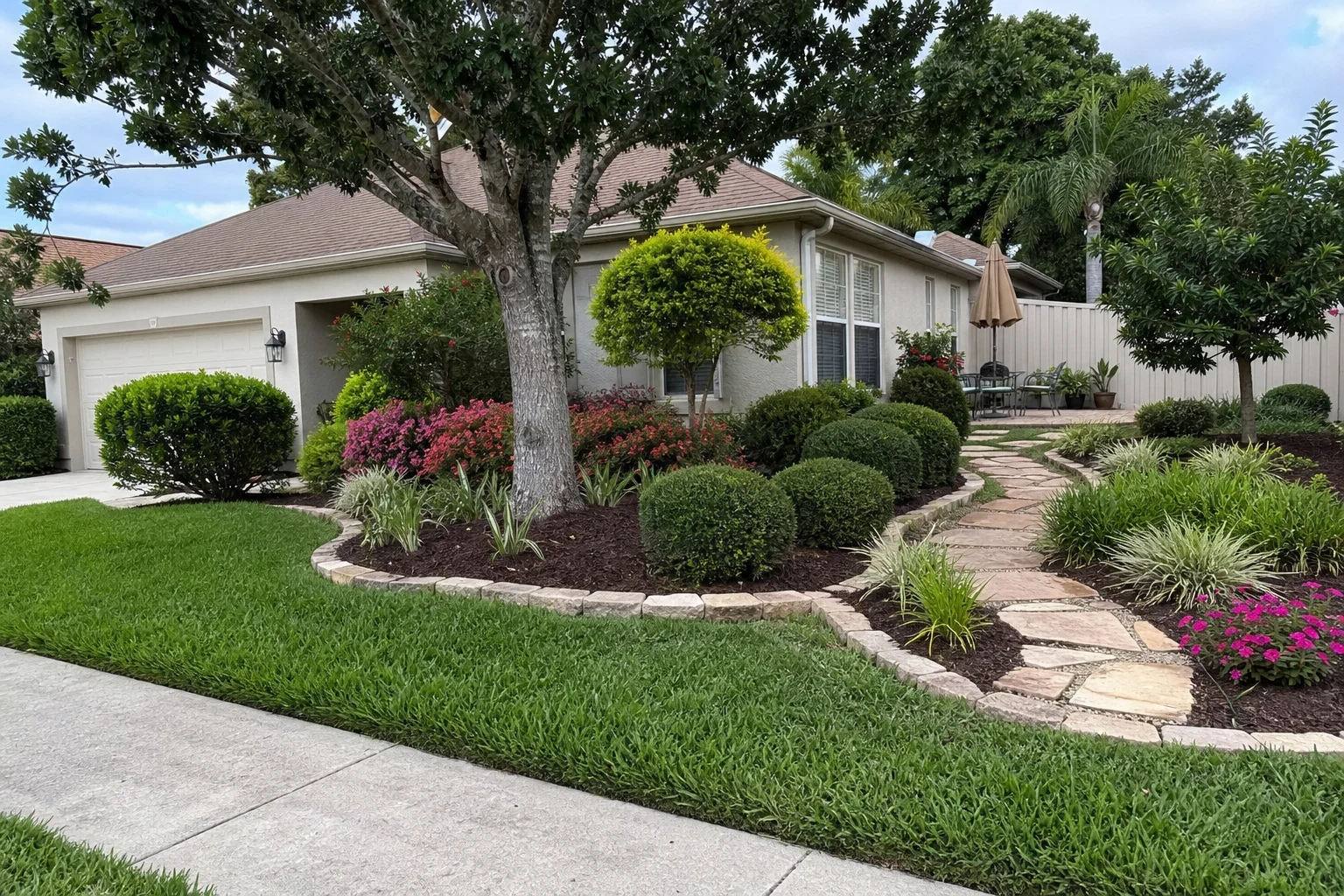
Get a real number for your yard
Call and we will set up a free estimate. We walk the property, look at your water source and existing beds, and give you a written breakdown of zones, parts and labor so you can see exactly what you are paying for.