ServicesTree Trimming and Removal
Tree Trimming and Removal in Altamonte Springs
After a storm, or before the next one, we look at each tree on your property and tell you plainly what needs pruning, what can wait and what should come down. Then we do the work cleanly and leave the yard tidy.
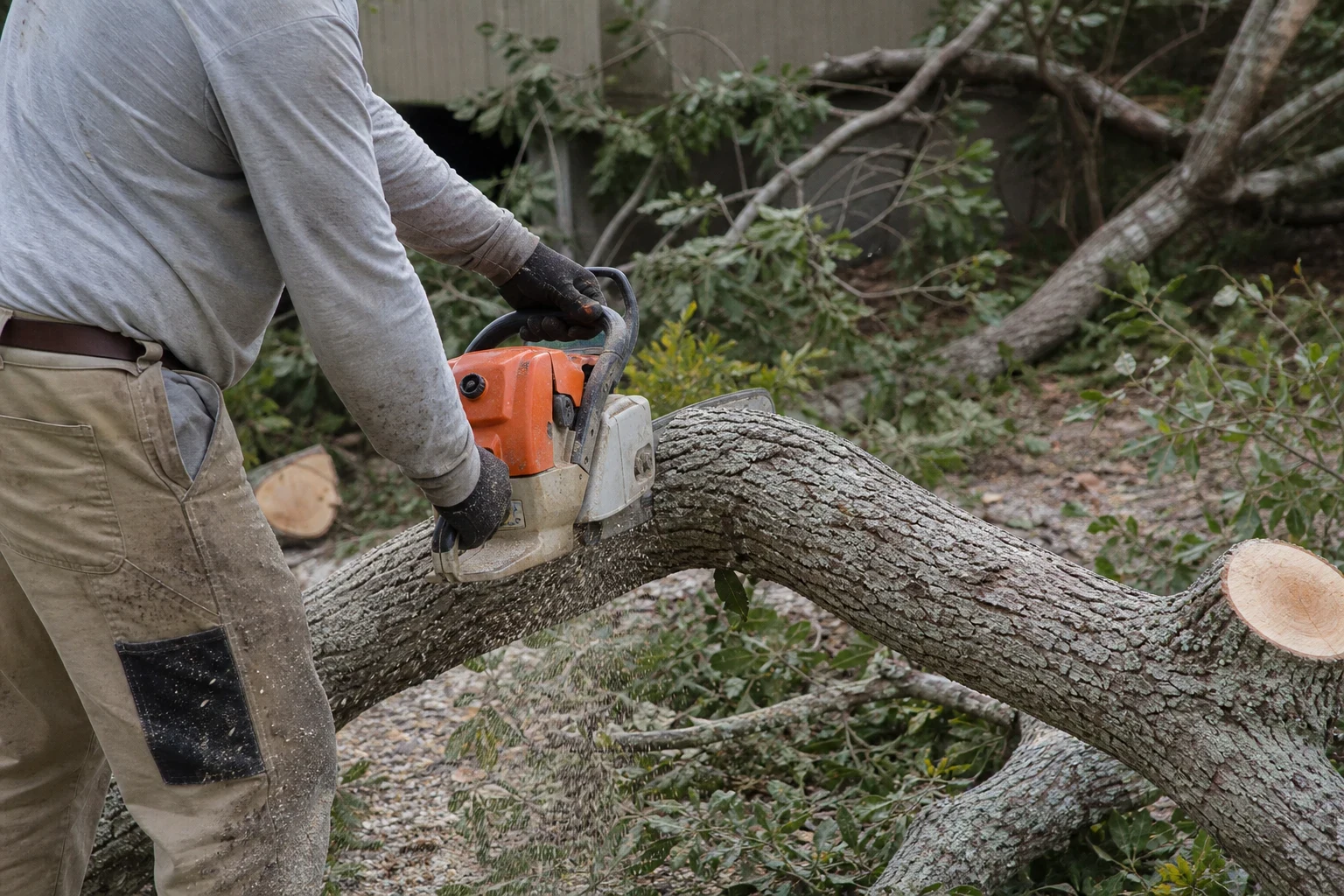
Sensible tree work, before and after the wind
Most tree trouble starts quietly. A laurel oak develops rot at an old wound, a limb grows long and heavy over the roof, or a canopy gets so dense that afternoon squalls catch it like a sail. When the wind comes, those are the trees that split or drop branches onto roofs, fences and cars.
We handle tree trimming for shape, clearance and wind resistance, and full removal when a tree is dead, failing or simply in the wrong place. If a storm has already done damage, we start with what is unsafe, then sort out the rest in a calm, sensible order instead of rushing every tree at once.
We are a family-owned company, business licensed and fully insured, which matters when heavy wood is coming down near your home.
What our tree work includes
- 01
Structural pruning
We remove crossing, rubbing and weakly attached branches with clean cuts at the branch collar, so the tree seals the wound properly. Thinning the crown lets wind pass through rather than push against it.
- 02
Roof and line clearance
Limbs over the roof, driveway or walkways are cut back to a sensible distance. For branches near utility lines, we tell you when the power company needs to be involved.
- 03
Hanging and broken limbs
Wind-cracked branches lodged in the canopy are lowered by rope rather than dropped, which protects the lawn, beds and anything underneath.
- 04
Full tree removal
Dead, hollow or leaning trees are taken down in sections when space is tight. We cut the wood to manageable lengths and haul the brush away unless you would like to keep firewood.
- 05
Cleanup and the stump
We rake and blow the work area before we leave. If you want the stump gone too, we can schedule stump grinding as part of the same job.
Questions about Tree Trimming and Removal?
Call(407) 269-5989Signs a tree needs attention
Cracks or splits in the trunk
A vertical crack or a split where two main stems meet is a common failure point, especially in oaks with tight V-shaped unions.
Mushrooms at the base
Fungus growing from the roots or lower trunk usually points to internal decay. The tree can look healthy above while the base weakens.
A new lean
A tree that has always leaned slightly is often stable. One that started leaning after a storm, with soil lifted on one side, needs a look soon.
Dead wood in the canopy
Bare, brittle branches among green ones will drop eventually. Brown leaves that stay attached through the season are another warning.
Branches touching the roof
Limbs resting on shingles wear them down, hold moisture and give pests a path in. In high wind, they act as levers against the roofline.
How a tree job runs
- 1
Walkthrough and estimate
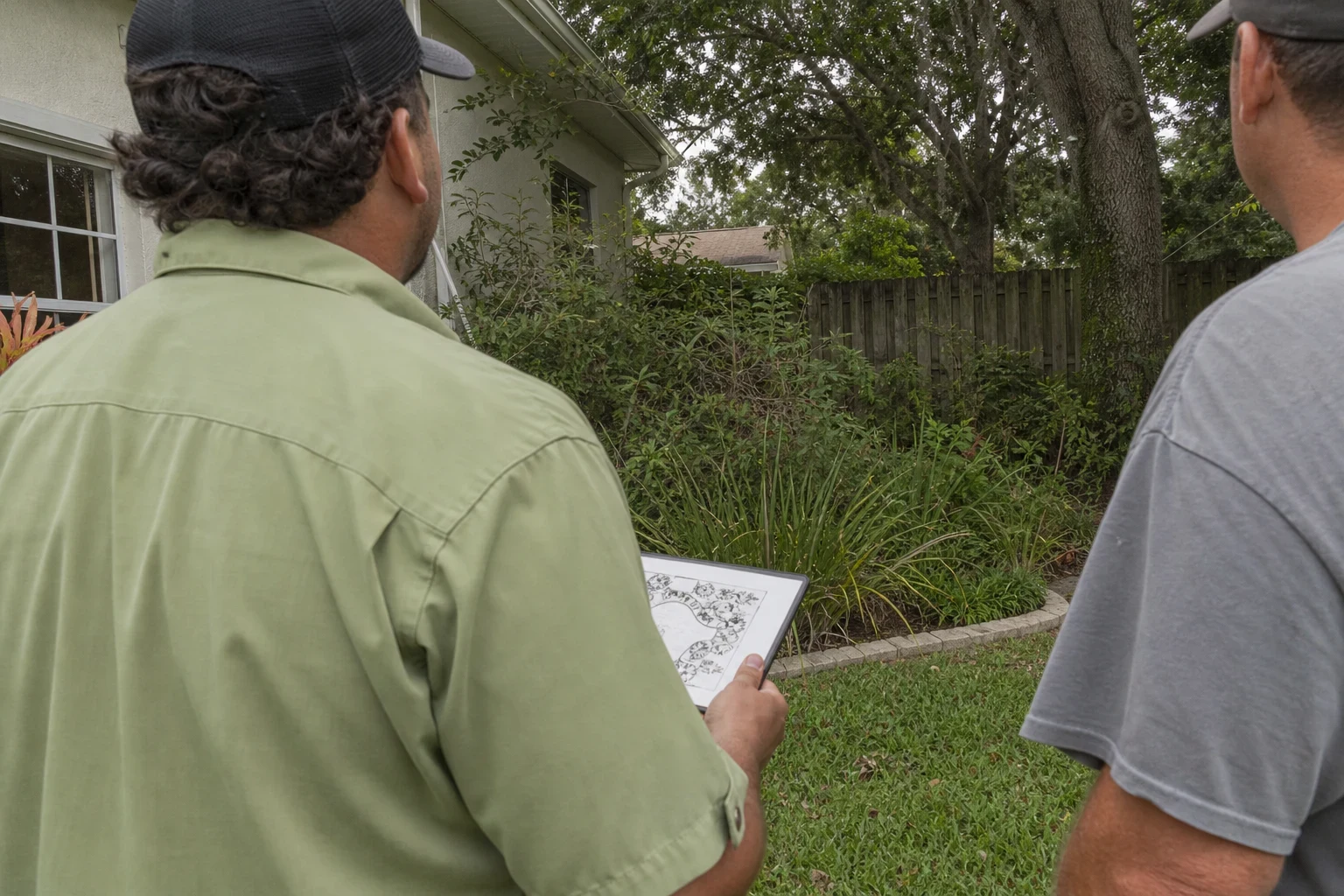
We visit, look at each tree with you and explain what we see. You get a written estimate that separates trimming, removal and any stump work, so you can choose what to do now and what to plan for later.
- 2
Planning the cuts
Before anyone climbs, we decide where each section will land or be lowered. Sprinkler heads, bed edges and outdoor furniture are marked or moved. If a removal may need city approval, we check that first.
- 3
The work day
Our crew sets up, protects the lawn where equipment will travel and works from the top down. Larger pieces are roped and lowered in a controlled way, especially near the house.
- 4
Cleanup and review
Brush and logs are hauled off, the area is raked and blown, and we walk the property with you before we leave.
What affects the cost of tree work
Every tree job is priced after we see it, because two trees of the same height can take very different effort. Your estimate lists each item clearly, with no vague lump sum. When a bigger project is easier to spread out, we can arrange financing of up to $100,000, with terms anywhere from two to twelve years and no penalty if you pay it off early.
- Size and spread
- Taller trees with wide canopies take more cuts, more rigging and more time to clean up.
- Access and what is underneath
- A tree in an open backyard is simpler than one leaning over the roof, a pool enclosure or a fence line, where every piece has to be lowered by rope.
- Condition of the wood
- Decayed or already split trees are less predictable to climb and cut, so they often need slower, more careful work.
- Haul-away and stump
- Removing all the wood and debris, or adding stump grinding, changes the scope. Keeping the logs on site lowers it.
Tree trimming and removal questions
Do I need a permit to remove a tree on my property?
Sometimes. Local rules can apply depending on the tree and its location, and a dead or dangerous tree is often treated differently. We check the requirements for your address before scheduling a removal so there are no surprises.
When is the best time to trim trees here?
Late winter and early spring work well for most shade trees, before hurricane season starts in June. That said, dead or cracked limbs should come down whenever you notice them rather than waiting for a calendar date.
Will my homeowners insurance pay for tree removal after a storm?
It depends on your policy and on whether the tree hit a covered structure. We are not adjusters, but we can photograph the damage and give you a clear written estimate to share with your insurer.
Can you trim a tree instead of removing it?
Often, yes. If a tree is sound but overgrown or unbalanced, careful pruning is usually the better answer. We only recommend removal when the tree is dead, structurally failing or causing problems pruning cannot fix.
Do you also handle palm trees?
Yes. Palms need a different approach, and we cover that under palm tree pruning and removal.
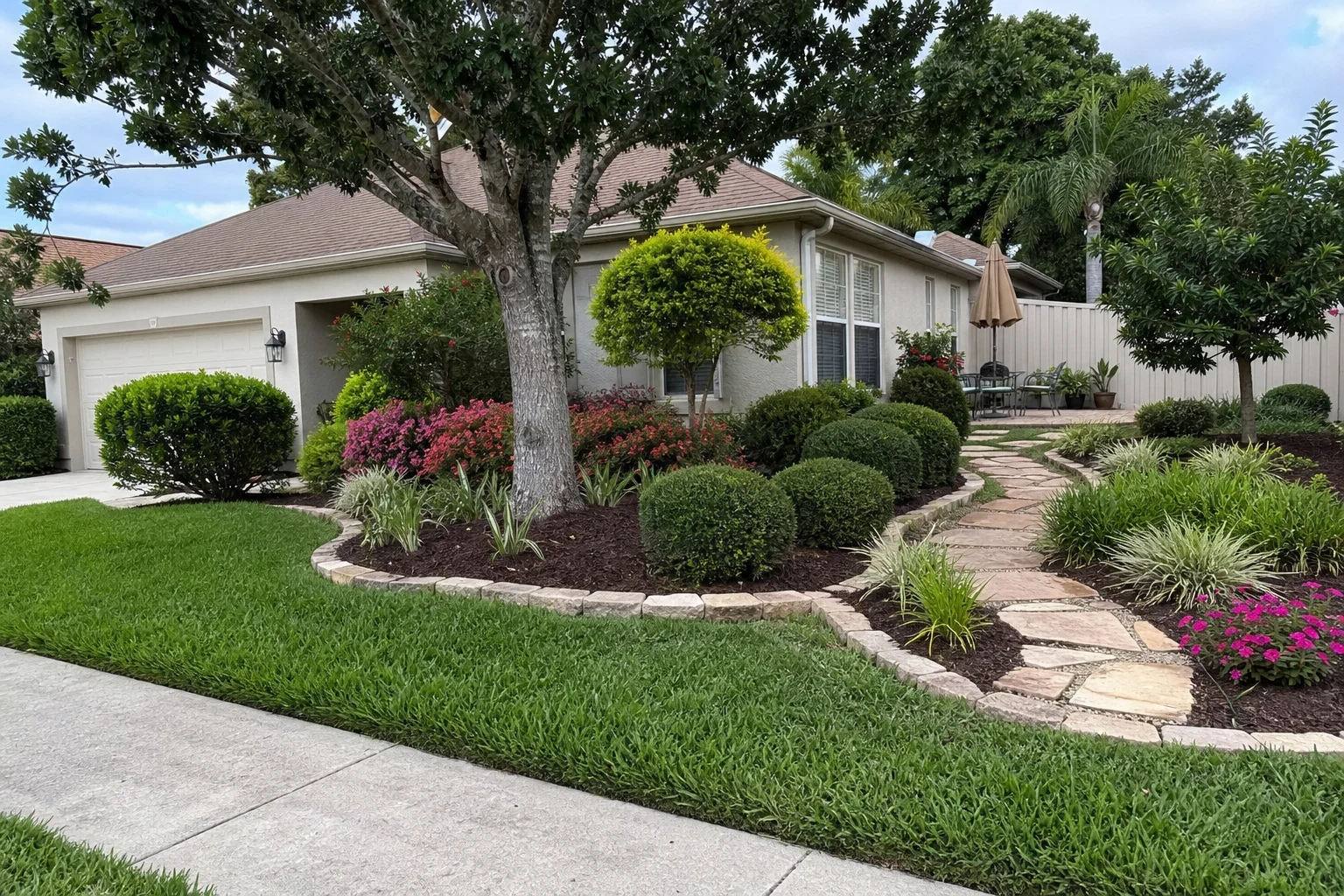
Let us look at your trees
We will walk your property, point out any limbs or trees that worry us and give you a straightforward plan. Nothing is cut until you agree to it.